
We comprehend the significance of OSHA compliance in the workplace as a business that specializes in safety machine guards for machinery shops. OSHA rules violations can have significant repercussions, including expensive penalties and, more importantly, worker injuries or fatalities. Therefore, to safeguard the security of their workforce, employers must be thoroughly aware of OSHA’s rules.
We have developed the ultimate OSHA compliance checklist to verify that proprietors and operators of machine shops adhere to OSHA standards. We’ll go through the crucial conditions that proprietors of machine shops must satisfy in this blog article to guarantee their workers’ security. We’ll go through the fundamental standards that employers must adhere to, as well as the obligations of both employers and workers. We’ll also go into more focused subjects including personal protective equipment, machine guarding, electrical safety, and hazard communication.
Following this ultimate OSHA compliance checklist can help prevent accidents and injuries, reduce costs, and ensure a safe work environment for everyone in your machine shop.
OSHA Compliance Checklist – 1. General Requirements
OSHA’s General Duty Clause

As a manufacturer of safety machine guards for machinery shops, we understand the importance of OSHA’s General Duty Clause. Under this clause, employers are required to provide a workplace free from recognized hazards that may cause harm or death to employees. This means that employers have a legal and moral responsibility to ensure that their employees are working in a safe environment.
To comply with OSHA’s General Duty Clause, employers must take a proactive approach to identify and address hazards in the workplace. This includes providing appropriate training, ensuring that employees have access to necessary safety equipment, and establishing safety procedures and protocols.
Employer & Employee Responsibilities
Under OSHA’s General Duty Clause, employers have the primary responsibility for ensuring a safe and healthy workplace for their employees. Employers must:
- Provide a workplace free from recognized hazards that may cause harm or death to employees.
- Comply with OSHA standards and regulations.
- Ensure that employees have access to necessary safety equipment and that it is used properly.
- Establish safety procedures and protocols and ensure that employees are trained on them.
- Identify and address hazards in the workplace and take corrective action.
Employees also have a responsibility to ensure workplace safety. They must:
- Comply with all safety rules and regulations.
- Report any unsafe conditions or hazards to their supervisor.
- Use all provided safety equipment properly.
- Participate in required safety training.
By working together, employers and employees can create a safe and healthy work environment. It is important for both parties to understand their responsibilities and to take proactive steps to prevent accidents and injuries in the workplace.
OSHA Compliance Checklist – 2. Hazard Communication
The Importance of Hazard Communication in Machine Shops
Hazardous materials and chemicals are frequently found in machine shops. Therefore, it is essential to have effective hazard communication in place to guarantee that staff members are informed of possible risks and are aware of how to handle them properly. OSHA’s hazard communication requirement should be followed at all times to avoid significant repercussions like workplace injuries or fatalities.
OSHA’s Hazard Communication Standard requires employers to communicate information about hazardous chemicals to employees through labeling, safety data sheets (SDSs), and training.
Labels and Safety Data Sheets
OSHA’s Hazard Communication Standard requires employers to communicate information about hazardous chemicals to employees through labeling, safety data sheets (SDSs), and training.
Labels must be affixed to all containers of hazardous chemicals and include information such as the product name, supplier information, and appropriate hazard warnings. Labels must also indicate any personal protective equipment that is required to be worn when handling the chemical.
Safety data sheets (SDSs) provide detailed information about the hazardous chemicals present in the workplace. Employers must maintain an SDS for each hazardous chemical and make them readily accessible to employees. SDSs include information such as the chemical name, physical and chemical properties, health hazards, and safety precautions.
Training Employees
In order to effectively communicate hazards, training is crucial. Employees must get training on hazardous chemicals in the workplace from their employers, including information on potential health risks, how to handle chemicals safely, and how to handle emergencies. Additionally, employers must make sure that staff members comprehend the details provided on product labels and SDSs.
3. Machine Guarding
This OSHA compliance checklist also includes machine guarding. In machine shops, machine guarding is a crucial part of worker safety. Machine guards are made to shield workers from the dangers posed by moving components, flying debris, and other hazards found in many types of machinery. Machines that are not adequately guarded might cause fatalities or severe injuries.
Employers are required by OSHA’s machine guarding requirement to install guards or other safety equipment on machines to shield workers from risks such spinning components, flying chips, and sparks. Additionally, employers must guarantee that all equipment is in good working order and that staff members have received safety training.
Products
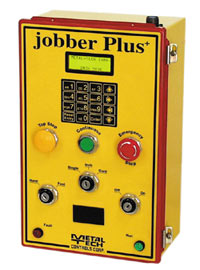
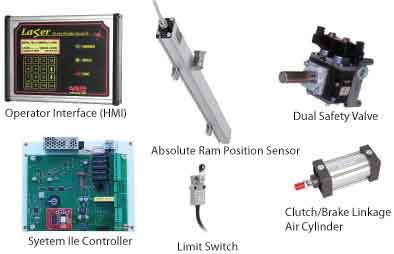
At Metaltech Controls, we offer a range of machine guarding products that meet or exceed OSHA’s standards. Our line of safety shields, safety screens, and barrier guards can be customized to fit any type of machinery and provide maximum protection for employees.
4. Electrical Safety
In machine shops, electrical safety is a crucial component of overall workplace safety. Electrical risks including burns, explosions, and electrical shock can cause significant harm or even death. Employers must adhere to OSHA’s electrical safety regulations and put in place suitable safety measures to guarantee the safety of workers.
Employers are required by OSHA’s electrical safety rules to recognize and designate electrical dangers, provide suitable equipment grounding, and safeguard workers from electric shock and burns. That’s why this is on the OSHA compliance checklist. Additionally, employers are required to educate staff members on electrical safety and make sure they are aware of the risks involved with handling electricity.
5. Personal Protective Equipment
In machine shops, personal protective equipment (PPE) is a crucial part of worker safety. PPE is intended to shield workers from a range of dangers, including chemicals, flying debris, and noise. In order to prevent accidents and illnesses, it is crucial for businesses to adhere to OSHA’s PPE guidelines and supply the right PPE to their personnel.
Employers are required by OSHA’s PPE guidelines to undertake a hazard assessment in order to identify the particular workplace dangers and choose the right PPE to use. Additionally, employers are required to offer instruction on how to use, maintain, and care for PPE.

Get Your Machine Shop up To OSHA Standards
In conclusion, maintaining a safe workplace in machine shops requires adherence to OSHA regulations. This OSHA compliance checklist can help employers stay up to the OSHA standards. Employers may shield their workers from possible risks and avoid accidents and injuries by adhering to the general requirements, hazard communication, machine guarding, electrical safety, and PPE regulations.
We at Metal Tech Controls are dedicated to offering top-notch safety equipment that meet or surpass OSHA requirements. Machine guards, safety switches, PPE, and other items are all part of our selection of safety equipment. Employers may make sure their staff members are adequately protected while at work by using our solutions.
Contact Metal Tech Controls right now if you want to increase safety in your machine shop and adhere to OSHA rules.